jaribooti.com
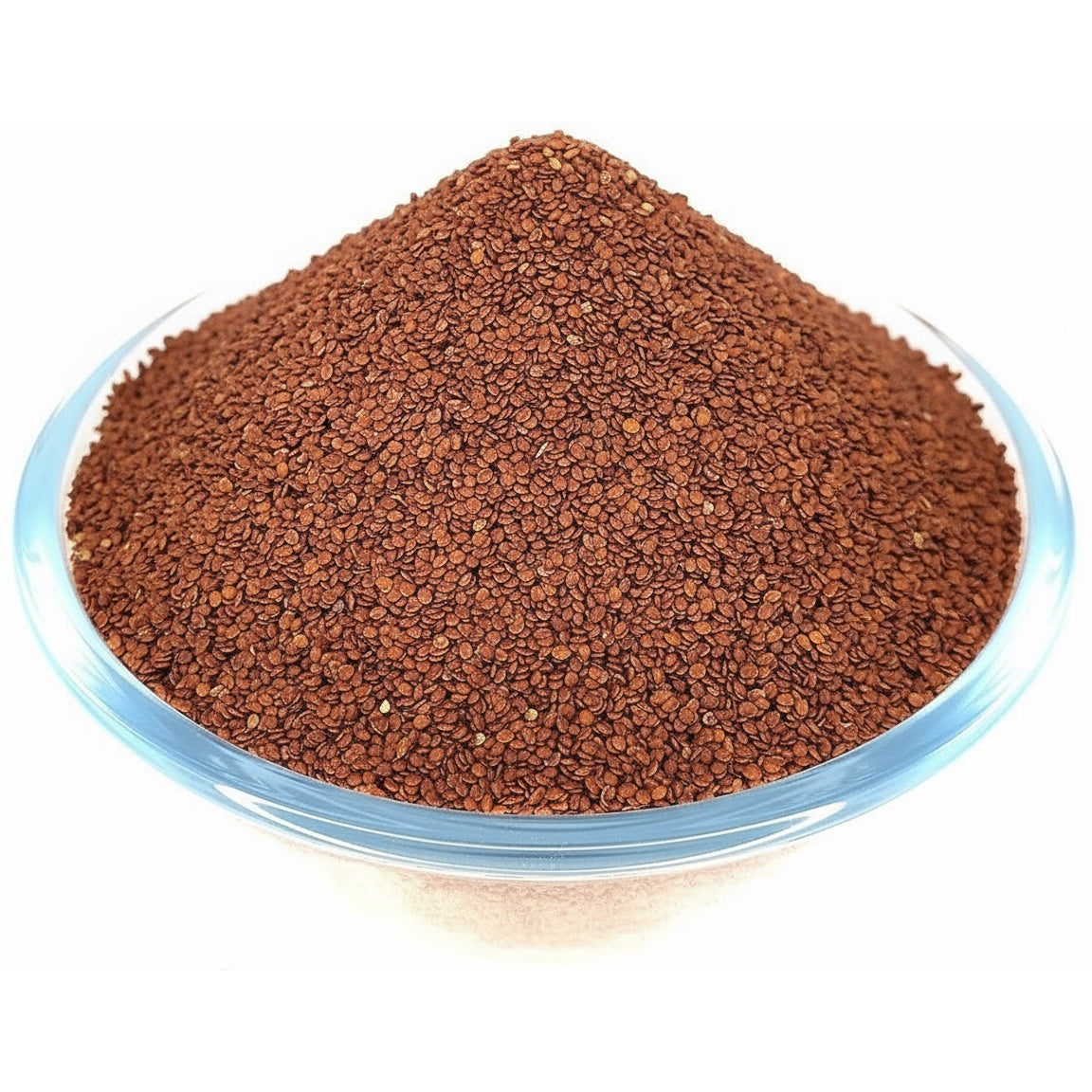
Lajwanti Seeds | लज्जावती (Lajjāvatī) |Chhui-Mui|Mimosa pudica Linn.|नम्रलता
Lajwanti Seeds | लज्जावती (Lajjāvatī) |Chhui-Mui|Mimosa pudica Linn.|नम्रलता
Couldn't load pickup availability
Sanskrit Name: लज्जावती (Lajjāvatī)
Common Names: Lajwanti / Chhui-Mui / Touch-Me-Not Plant / Sensitive Plant
Botanical Name: Mimosa pudica Linn.
Family: Mimosaceae
Part Used: Whole plant (root, leaves, seeds)
📜 Synonyms (As per Bhavaprakash Nighantu & Ayurvedic Texts)
लज्जालु, नम्रलता, शमपूति, नमनिका, आत्मगुप्ता, लज्जावती, लज्जालता
Meaning:
All these names reflect the plant’s shy nature — its leaves fold upon touch, symbolizing modesty (Lajja).
📚 Reference from Bhavaprakash Nighantu
लज्जालु तिक्तका तिक्ता शीतला स्तम्भनी परा ।
रक्तपित्तप्रशमनी पित्तदोषनिवारिणी ॥
— Bhavaprakash Nighantu, Guduchyadi Varga
🪔 Translation & Classical Meaning:
According to Bhavaprakash Nighantu, Lajwanti is Tikta (bitter) in taste and Sheeta (cooling) in potency.
It acts as a Stambhana (astringent and absorbent) herb, helping in conditions of bleeding disorders, diarrhea, and excessive secretions.
It pacifies Pitta and Kapha doshas, purifies blood, and promotes healing of wounds.
💚 Ayurvedic Properties (Guna, Rasa, Veerya, Vipaka)
| Property | Sanskrit Term | Description |
|---|---|---|
| Rasa (Taste) | Tikta (Bitter), Kashaya (Astringent) | Cleansing & drying |
| Guna (Quality) | Laghu (Light), Ruksha (Dry)** | Easy to digest, absorbs excess fluids |
| Veerya (Potency) | Sheeta (Cooling) | Reduces heat & inflammation |
| Vipaka (Post-digestive Effect) | Katu (Pungent) | Stimulates metabolism |
| Effect on Doshas | — | Pacifies Pitta & Kapha |
🌺 Therapeutic Benefits (As per Ayurveda)
1️⃣ Bleeding Disorders (Raktapitta Nashini):
-
Helps stop nosebleeds, excessive menstruation, or bleeding piles.
2️⃣ Diarrhea & Dysentery (Atisar, Pravahika):
-
Acts as a natural Stambhak (astringent) herb to reduce fluid loss.
3️⃣ Urinary & Reproductive Health:
-
Used in mutrakricchra (urinary burning) and leucorrhea.
4️⃣ Wound Healing (Vrana Ropaka):
-
Promotes skin repair and reduces inflammation when applied externally.
5️⃣ Nerve Health:
-
Traditionally used in mild neurological weakness, tremors, and paralysis.
🍃 General Usage (Traditional Guidance)
| Form | Dosage | Anupan (With) |
|---|---|---|
| Powder (Churna) | 2–3 g twice daily | With water or honey |
| Juice (Swaras) | 10–15 ml | With equal water |
| Paste (Lepa) | — | Apply externally on wounds |
(Use under Ayurvedic practitioner’s supervision.)
🌿 Why Choose Lajwanti (Lajjalu)
-
100% Natural & Sun-dried
-
Traditionally used for Pitta disorders, bleeding, and wound healing
-
Sourced from authentic Ayurvedic growers
-
No preservatives or additives
🧘♀️ Summary (Essence of Bhavaprakash Nighantu)
Lajwanti (Lajjalu) — a cooling, astringent, and healing herb that calms Pitta and Kapha, purifies the blood, and restores internal balance.
A true symbol of modesty and healing in Ayurveda.